Viking Tunnel.
Built strong enough to outlast anything, and comfortable enough to call home.
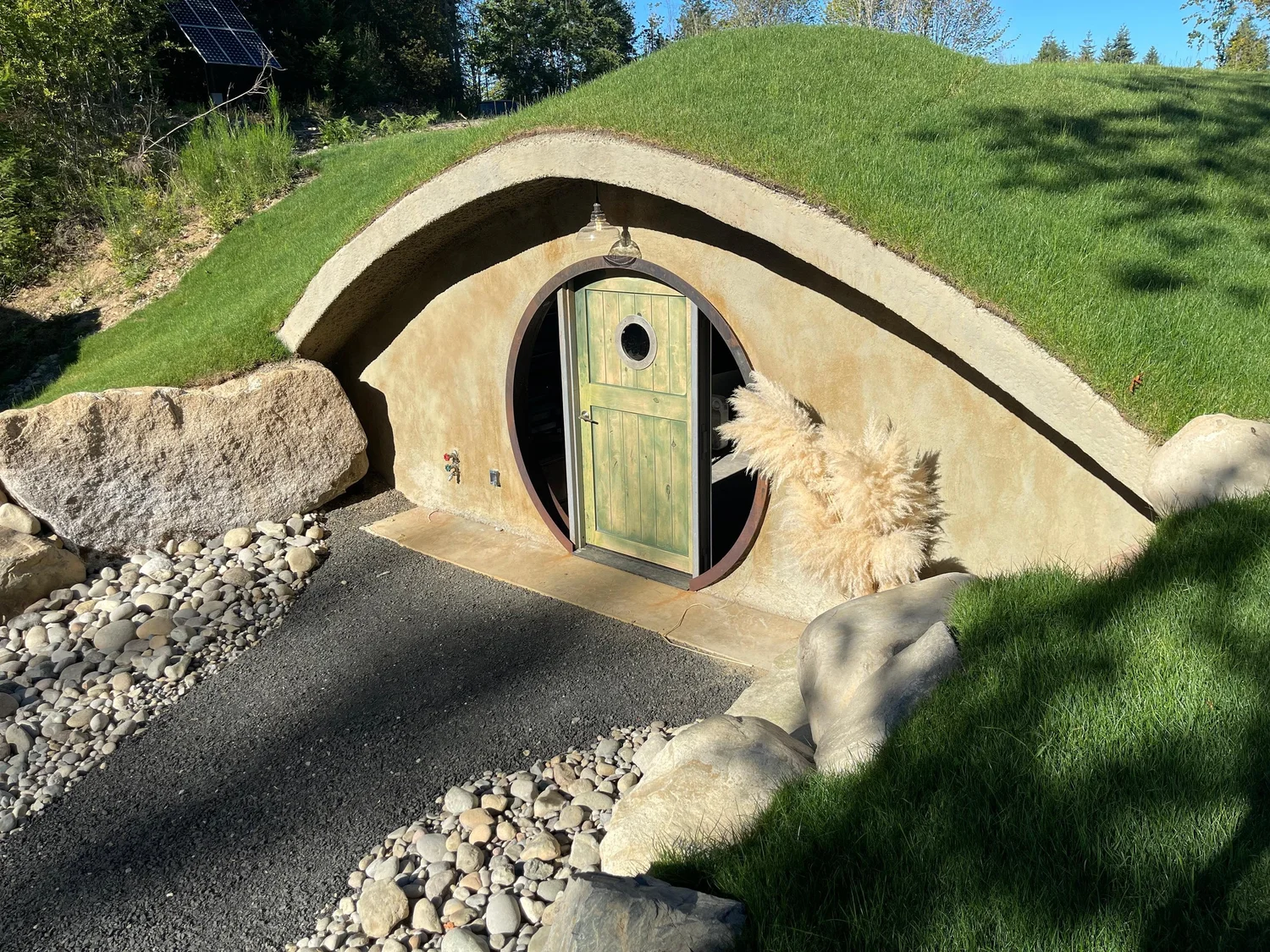
12 ft wide. About 9 ft tall.
12 × 40 is the usual size. Go shorter or longer.
Watch every step.
The 1-hour-plus step-by-step video. $479.
Preliminary drawings and DIY guidance. Final design must be reviewed and stamped by a licensed engineer for your site and state. The builder is responsible for site conditions, permits and code compliance.
From start to finish.


Specs & details
-
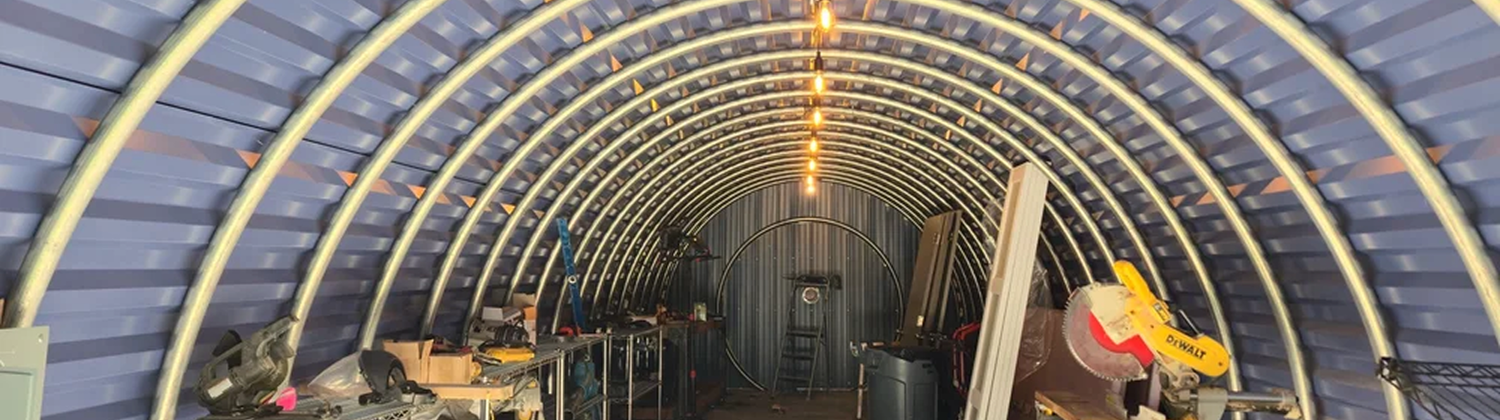
2x2 14-gauge galvanized square tube, about 12 ft wide (144 in outside), 32.5 in straight legs, set 2 ft on center. Cut at the center for shipping; bolts together on site. A 40 ft run takes about 21 arches. We offer arches up to 12 ft wide; wider arches don't ship well, so for anything wider we recommend a Quonset hut.
-
Not included. Builders typically buy 24-gauge high-rib roof panels locally (36 in coverage, 1-1/2 in deep ribs on a 7.2 in pattern, such as NuRay NRM-7000). Dave runs the panels painted side down so the color shows inside.
-
Dig and prepare the site. Stand the arches. Add the roof steel. Spray foam. Steel-fiber shotcrete to the engineer's specification — the arches and panels are the form; the shotcrete carries the load. Backfill. With all materials on site, it can be built and backfilled in about two months or less, depending on who is building. It's about 50% easier to build than a Quonset hut, and easier to add on to later.
-
The Quonset idea started in 2009. As Quonset costs climbed, Dave came up with the arch concept around August 2024, started excavating in mid-September 2024, and shotcreted and finished the next spring with zero issues.
-
Preliminary drawings and DIY guidance. Final design must be reviewed and stamped by a licensed engineer for your site and state. The builder is responsible for site conditions, permits and code compliance.